Carmen
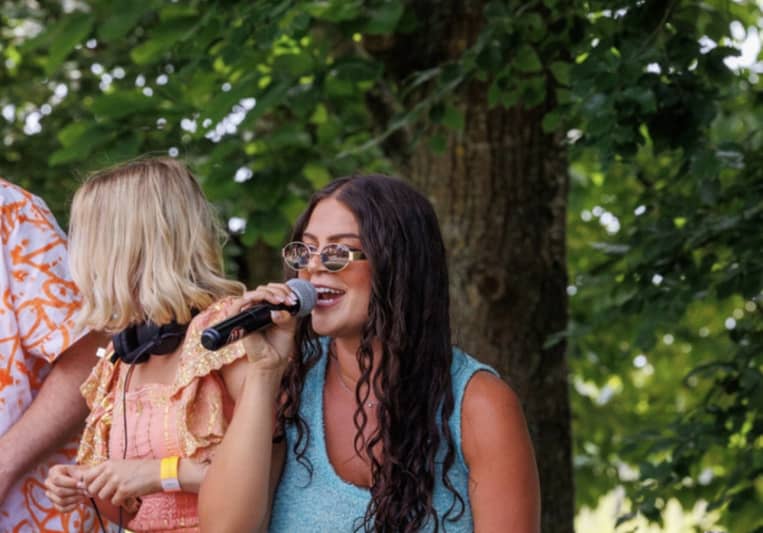
Contact me through the green button above and let's get to work.
Languages
- English
Interview with Carmen
Q: Tell us about a project you worked on you are especially proud of and why. What was your role?
A: One project I’m especially proud of was one where the goal was to take a strong song and elevate it without losing the character and emotion of the original performance. My role involved working closely with the artist to understand their vision, making creative decisions around the production, and refining the sound so that every important element had its place. I’m proud of it because the finished result felt bigger and more polished while still sounding authentic to the artist — which is always the balance I’m looking for.
Q: What are you working on at the moment?
A: I’m currently working on a mix of personal and client projects, focusing on developing songs from their initial ideas into polished, release-ready productions. I’m particularly interested in projects where there’s room for creative collaboration and where I can contribute not just technically, but also to the overall sound and feel of the record.
Q: Is there anyone on SoundBetter you know and would recommend to your clients?
A: I’m always happy to recommend talented people when I know their work and believe they’re the right fit for a particular project. I think having a trusted network of musicians, producers, engineers, and other specialists is incredibly valuable, and I’d rather recommend someone based on the client’s specific needs than simply recommend people for the sake of it.
Q: Analog or digital and why?
A: Both. I see analog and digital as tools rather than competing philosophies. Digital gives us incredible flexibility, precision, and workflow, while analog equipment can bring a particular character, depth, and feel when the project calls for it. I choose whatever combination best serves the music rather than being tied to one approach.
Q: What's your 'promise' to your clients?
A: My promise is to treat every project with care, honesty, and attention to detail. I’ll listen to what you’re trying to achieve, communicate throughout the process, and never make decisions simply for the sake of making changes. The finished work should feel like your music at its best, not someone else’s interpretation of it.
Q: What do you like most about your job?
A: I love taking an idea that exists in someone’s head and helping turn it into something real. Every artist and every song is different, so there’s always something new to solve creatively. The most rewarding part is hearing the artist’s reaction when the finished track finally sounds the way they imagined it.
Q: What questions do customers most commonly ask you? What's your answer?
A: What can you do to make my song sound professional?” My answer is that there isn’t one magic trick. A professional result comes from a combination of a strong song, a great performance, thoughtful production, and the right technical decisions. My job is to identify what the track needs and make those improvements while preserving the character and emotion that make it yours.
Q: What's the biggest misconception about what you do?
A: One of the biggest misconceptions is that the job is simply about making something sound “better.” A big part of what I do is understanding the artist and the emotion behind the music, then making creative and technical decisions that support that vision. The goal isn’t to change what makes a song unique — it’s to help bring that quality and intention through as clearly as possible.
Q: What questions do you ask prospective clients?
A: I like to understand the project from both a creative and practical perspective. I’ll ask what the client is trying to achieve, what inspired the song or project, what they like or dislike about the current version, and what references they have in mind. I’ll also ask about their timeline, deliverables, and any specific concerns they have so we can establish clear expectations from the beginning.
Q: What advice do you have for a customer looking to hire a provider like you?
A: Look for someone who understands your vision, communicates clearly, and genuinely cares about the end result. Technical ability is important, but so is having a good creative relationship with your producer or engineer. I always recommend listening to their previous work and making sure their style and approach are a good fit for what you’re trying to achieve.
Q: If you were on a desert island and could take just 5 pieces of gear, what would they be?
A: A reliable battery-powered PA system, a great microphone, my laptop, headphones, and the instruments I’d need to keep making music. If I’m going to be stranded, I might as well have everything I need to keep performing! 😄
Q: What was your career path? How long have you been doing this?
A: I’m a full-time vocalist with many years of experience performing at events, private parties, weddings and pubs. Over the years I’ve developed my ability to perform across a wide range of styles and connect with different audiences. Performing regularly has given me a strong understanding of what makes a great vocal performance — both technically and emotionally.
Q: How would you describe your style?
A: I’d describe my style as soulful, energetic and versatile. I love bringing emotion and personality into a performance, while being able to adapt to different genres and audiences. My experience performing live has taught me to connect with people and make every song feel authentic rather than simply singing the notes.
Q: Which artist would you like to work with and why?
A: I’d love the opportunity to work with an artist who has a strong sense of identity and isn’t afraid to be creative. I’m especially drawn to artists who blend soul, funk, rock and house influences. I love working with musicians who care about the feeling of a performance as much as the technical side of the music.
Q: Can you share one music production tip?
A: When recording vocals, focus on the room before worrying about expensive equipment. A room with lots of hard, reflective surfaces can make vocals sound thin and harsh. Use soft furnishings or acoustic treatment to reduce unwanted reflections, and position yourself correctly in relation to the microphone. A great recording starts with a great environment.
Q: What type of music do you usually work on?
A: I mainly work with house, funk, soul and rock, but my experience as a live vocalist has given me the versatility to work across many different styles. I particularly enjoy music with strong grooves, soulful vocals and plenty of energy.
Q: What's your strongest skill?
A: My strongest skill is my wide vocal range and versatility. I’m able to adapt my voice to different genres, styles and moods while maintaining a strong, confident and expressive performance.
Q: What do you bring to a song?
A: Strong, unique vocals, energy and emotion. I bring a wide vocal range and the ability to adapt my voice and performance to suit the song, while still giving it my own character.
Q: What's your typical work process?
A: I start by understanding what the client wants from the song and the feeling they’re looking for. From there, I prepare the vocals, record with attention to detail, and keep working until I’m completely happy with the result. I’m committed to finishing the job properly rather than rushing through it.
Q: Tell us about your studio setup.
A: My setup is simple, reliable and focused on getting great vocal recordings. I believe you don’t need a complicated studio to achieve a great result — you need the right equipment, a good recording environment and a strong performance.
Q: What other musicians or music production professionals inspire you?
A: I’m inspired by artists and vocalists who have a distinctive sound, strong stage presence and real emotion in their performances. I particularly admire singers who can move between genres while still maintaining their own identity.
Q: Describe the most common type of work you do for your clients.
A: Vocal recording and performance. I provide lead and backing vocals, bringing strong, expressive vocals and the right energy to each song.
